An Onsite Program Coordinator serves as the cornerstone of resident services, delivering personalized, trauma-informed case management understanding the unique challenges formerly homeless individuals face, developing individualized service plans addressing each resident's specific needs, goals, and barriers, providing consistent, reliable support and advocacy helping residents navigate systems and overcome challenges, connecting residents with community resources including healthcare, mental health services, benefits, employment, and support, coordinating with external service providers to ensure wraparound care, and building trusting relationships that provide stability, encouragement, and accountability. The coordinator's presence creates a caring, supportive environment where residents receive the individualized attention needed to succeed.
Onsite supportive services provide a range of programs and assistance designed to promote stability and independence, including life skills development covering budgeting, cooking, cleaning, time management, and independent living skills often disrupted by homelessness, employment assistance with job searches, resume building, interview preparation, and job retention support, benefits enrollment and advocacy helping residents access SSI, SSDI, food assistance, healthcare, and other vital benefits, crisis intervention and problem-solving when challenges threaten housing stability, community building activities fostering social connection and reducing isolation, and referrals to specialized services including mental health treatment, substance use support, medical care, and other needs. These comprehensive services address the multiple, interconnected challenges formerly homeless individuals face, providing holistic support for the whole person.
The community kitchen serves multiple vital purposes beyond just a gathering space—providing cooking classes and nutrition education teaching meal planning, food preparation, and healthy eating on a budget, opportunities for shared meals building community, combating isolation, and creating the social connections vital to recovery and stability, skill-building through hands-on practice with cooking, cleaning, and kitchen management, and a welcoming environment where residents help each other, share recipes and food traditions, and build the routines and competencies of independent living. The kitchen becomes a place of learning, connection, and accomplishment.
The computer lab provides essential technology access and support, offering computers and internet for residents who don't own devices, job search assistance with online applications, resume creation, and email communication with employers, benefits and services access including online applications for assistance, telehealth appointments, and accessing information, digital literacy instruction helping residents develop computer and internet skills increasingly essential for employment and daily life, and staying connected with family, case managers, healthcare providers, and support networks. Technology access bridges the digital divide and empowers residents with tools essential for modern independent living.
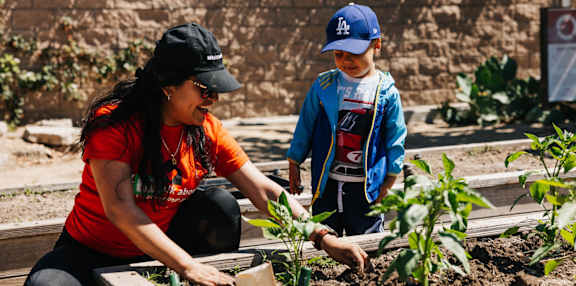
Recreation spaces provide outdoor areas for exercise, fresh air, and stress relief—important for physical and mental wellness, informal gathering spaces where residents can socialize casually and build neighborly relationships, and opportunities for outdoor activities promoting healthy lifestyles and connection with nature. These spaces recognize that stability and recovery involve not just managing problems but also creating positive experiences, healthy routines, and community belonging.
The combination of intensive case management, comprehensive supportive services, skill-building opportunities, and community spaces creates a PSH environment where formerly homeless individuals receive the support, structure, and caring they need to maintain housing, address underlying challenges, develop capabilities, and build the foundation for long-term stability and success.